Countdown to the Building Safety Levy: What developers need to know before the 2026 changes
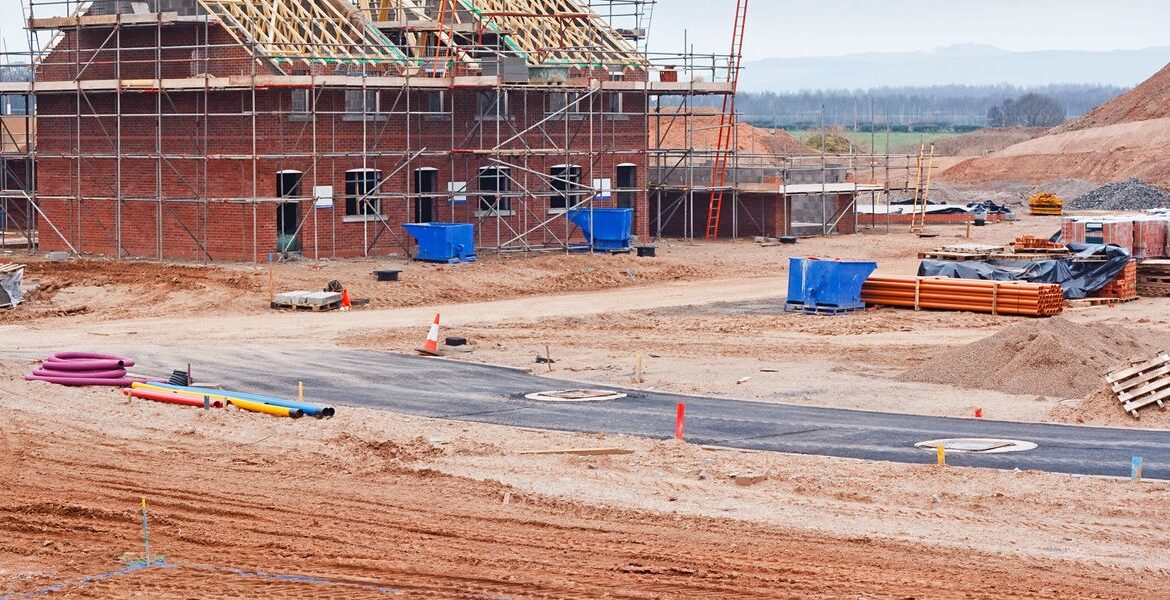
From 1st October 2026, a new Building Safety Levy will come into effect, introducing a charge on certain Building Control applications for residential developments. This levy must be paid before the Building Control Completion Certificate is issued and forms part of the government’s broader strategy to tackle building safety issues across the country.
The funds raised through the levy will be directed toward the remediation of safety defects in buildings nationwide. Levy rates will vary depending on both the location and the type of land being developed, with the aim of reflecting local land values. Rural plots will attract lower rates, while urban greenfield sites will be subject to higher charges. Brownfield sites (land that has previously been developed) will benefit from a 50% reduced rate, a move designed to encourage investment in urban regeneration.
The government hopes this incentive will promote more sustainable development practices, easing pressure on greenbelt and rural land while helping to protect local ecosystems and biodiversity.
A range of exemptions will apply to developments that meet specific criteria, including:
- Affordable housing
- Housing built by registered non-profit organisations
- NHS facilities (e.g. hospitals, care homes)
- Criminal justice and armed forces accommodation
- Small developments (fewer than 10 units)
- Student accommodation with fewer than 30 bed spaces
Local authorities will apply an ‘applicable area rate’, calculated per square metre of chargeable residential floorspace. Rates vary by location and land type:
Colchester City Council:
- Brownfield sites: £16.37/sq.m
- Greenfield sites: £32.74/sq.m
- Example: A development of 20 bungalows (100 sq.m each) on a greenfield site would incur a levy of £3,274 per unit, compared to £1,637 per unit on a brownfield site.
Tendring District Council:
- A 180 sq.m 4 bedroom detached house would attract a levy of £2,232 on brownfield land and £4,464 on greenfield land.
Chelmsford City Council:
- The same property would be charged £3,260.80 on brownfield and £6,537.60 on greenfield land.
These examples illustrate how regional land values and site classifications can significantly influence development costs.
The government anticipates that the levy will not only generate essential funding for safety improvements but also stimulate brownfield development, enabling local authorities to invest in infrastructure and community projects that may otherwise lack financial support.